

In her book Daring Greatly, the academic and self-help author Brené Brown includes “emotional exposure” in her definition of vulnerability.
It is a quality encouraged, if not prized, in women, but not so in men. From infancy, the male sex is inundated with messaging like “boys don’t cry” and “stop acting like a girl,” setting them up for a life of emotional maladjustment. Both the pervasive toxic masculinity culture and the male loneliness epidemic are some of the most extreme consequences of this ideology today.

In the world of literature, a growing number of male authors are pushing past the expectations of writing about macho topics — war, sports, and politics — in order to be taken seriously and are instead writing male characters navigating emotional terrain. Books like Less, together with its sequel Less is Lost by Andrew Sean Greer, Nearly Departed by Lucas Oakeley, and Shuggie Bain, the 2020 Booker Prize-winning novel by Douglas Stuart are some examples of this shift.
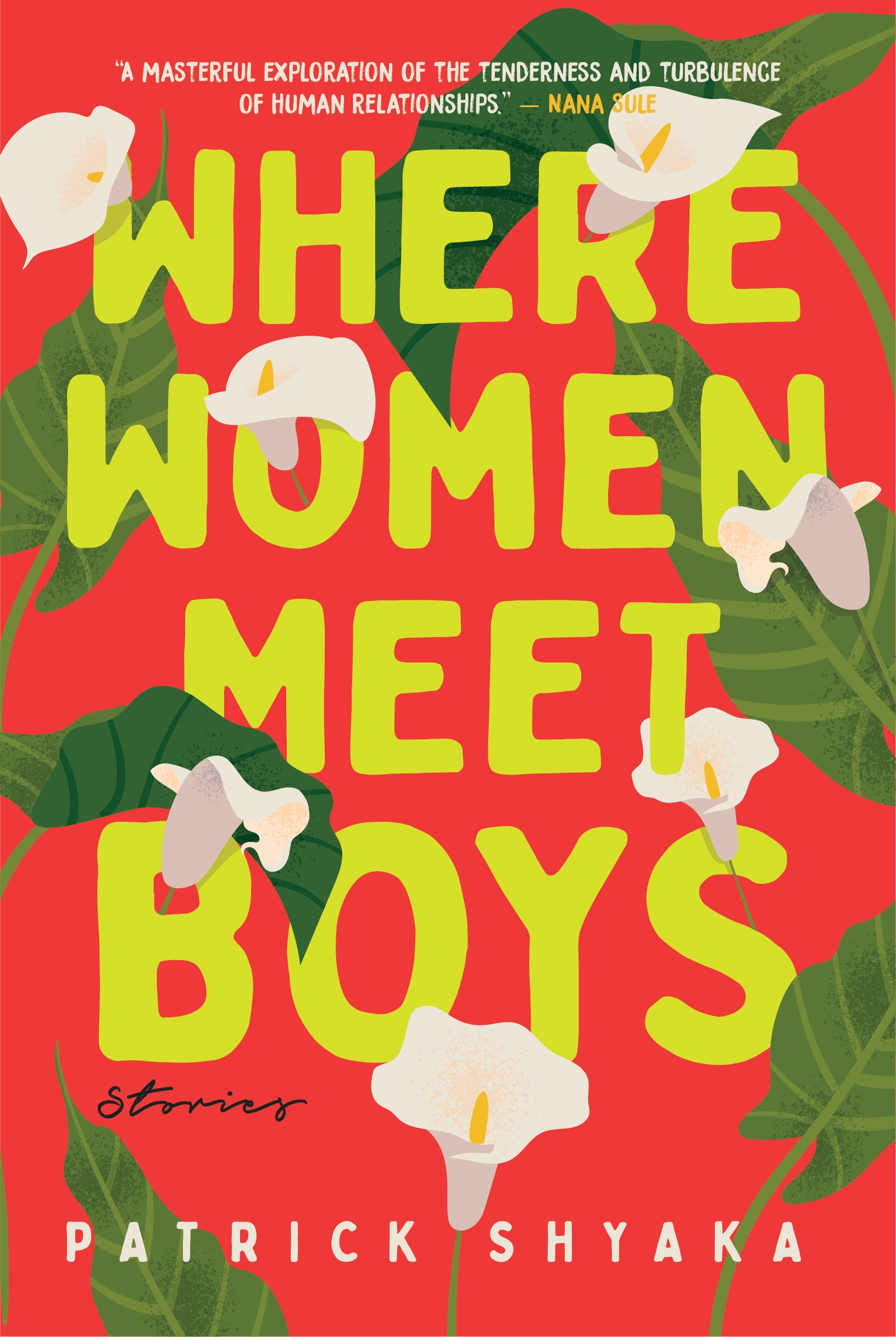
Here on the African continent, Rwandan author Patrick Shyaka is one of those leading the new vanguard. In his debut short story collection, Where Women Meet Boys, we are introduced to a cast of men rendered defenceless in the face of peculiar challenges.
There are men blindsided by divorce (For A Moment Nothing Happened), men desperate to escape the friendzone (Meant To Be … Friends), men tangled up in messy relationships (It Would Be Nice), men suffering the indignity of erectile dysfunction (Dysfunction), and men mourning a deceased friend (Steve).
In Shyaka’s book, guidance comes from other men – friends, fathers, and mentors – but there are no neat lessons or noble resolutions here. Favouring raw expression, Shyaka gives his characters permission to be sensitive, and he provides a judgment-free space for them to vent their emotions and release their tensions. In these pages, male vulnerability is not a shortcoming but a facet of one’s humanity.
Interestingly, the strongest story in the collection – the titular Where Women Meet Boys – is one of two narratives written from the female perspective and showcases Shyaka’s skill with handling multiple perspectives. At its heart, it is about the domino effects of a man disappointing his family and so, still falls in line with the book’s overarching theme.
Another thing the book does well is how it immerses the reader into its geography. Barring a few exceptions set in the UK and the US, most of the stories take place in Kigali, and to read the book is to be so embedded with the characters as they jog around Amahiro Stadium, meet up with friends in Kacyiru, eat isombe in Nyamirambo, buy coffee from a cafe at the Kigali Public Library, and even take the occasional out-of-town weekend trip to Kibuye, that these experiences feel like first-hand encounters.
It is regretful that this level of attention to detail was not applied to the dialogue. Granted, this is a book that places emphasis on its characters’ interiority, but all the same, the dialogue falls flat. Beyond food-related nomenclature, it would have been a nice touch to have the cadence and richness of Kinyarwandan-tinged English included for authenticity, but as it happens, Shyaka’s characters often communicate with each other in a manner more suited to the scripting of your average American TV show. There are also copy editing oversights with non-English words erroneously treated as proper nouns and capitalized when they shouldn’t be.
Irrespective of these flaws, Patrick Shyaka’s prose shines with promise, and Where Women Meet Boys is a remarkable introduction to his work.
BIO
Akumbu Uche is a writer and storyteller from Nigeria. Her works have been published by thelagosreview.ng, Aké Review, Brittle Paper, Canthius, The Cincinnati Review, and elsewhere.