

There’s something deeply unsettling about The Polygamist, that 22‑part South African Netflix series directed by Akin Omotosho and co. I binged it with my husband over seven days. It was disturbing in a way that makes your skin crawl.
I found myself disgusted after the first two episodes, not because the story was poorly told, but because of how boldly it held up a mirror to patriarchy at its most shameless.
Women grovelling for crumbs of affection.
Women competing for a man who barely regarded them as human.
Women shrinking themselves to fit into the small box he built for them.
And the worst part? These women are brilliant, they’re capable and beautiful and could have walked away and built full, joyful lives but didn’t. That’s what annoyed me. That’s what made me switch off.
But like Joyce (Gugu Gumede), Matipa (Kwanele Mthethwa), Essie (Celeste Ntuli) and Lindani (Luyanda Zwane), the women entangled with Jonasi (played with slithering lust and malevolence by S’Dumo Mtshali), I came back. I wanted to see how this madness would play out. I wanted to see how far Jonasi’s jazz will keep the women hooked. I wanted to understand the psychology of women who orbit a man who is clearly a black hole.
 Let’s start with Jonas, or Jonas(i). His is a rags‑to‑riches story turned cautionary tale. A man who climbed out of poverty only to become a monster at the peak of his wealth. Jonasi’s appetite for sex so insatiable, it became his personality. His name, Gomora, with its biblical echoes fit like a glove.
But this story is not truly about Jonasi. It is about the women who loved him and how patriarchy weaponised that love against them.
While the story seems to begin with Jonasi’s death, it truly takes off with his first wife, Joyce.
Joyce is an influencer; a modern and accomplished African woman. The woman who stayed because “what will people say?” that classic African trap. She loved Jonasi with a devotion that bordered on self‑harm. And he repaid her with humiliation, deception, and sexually transmitted diseases.
And oh, there is more. If gaslighting had a face, it would be Jonasi’s in the way he asked her to sign a divorce paper but before she could gather her sense of preservation, Jonasi smouldered her with hot kisses and sexual demands leaving her confused and wondering why he hounded her to sign a divorce he would not follow through.

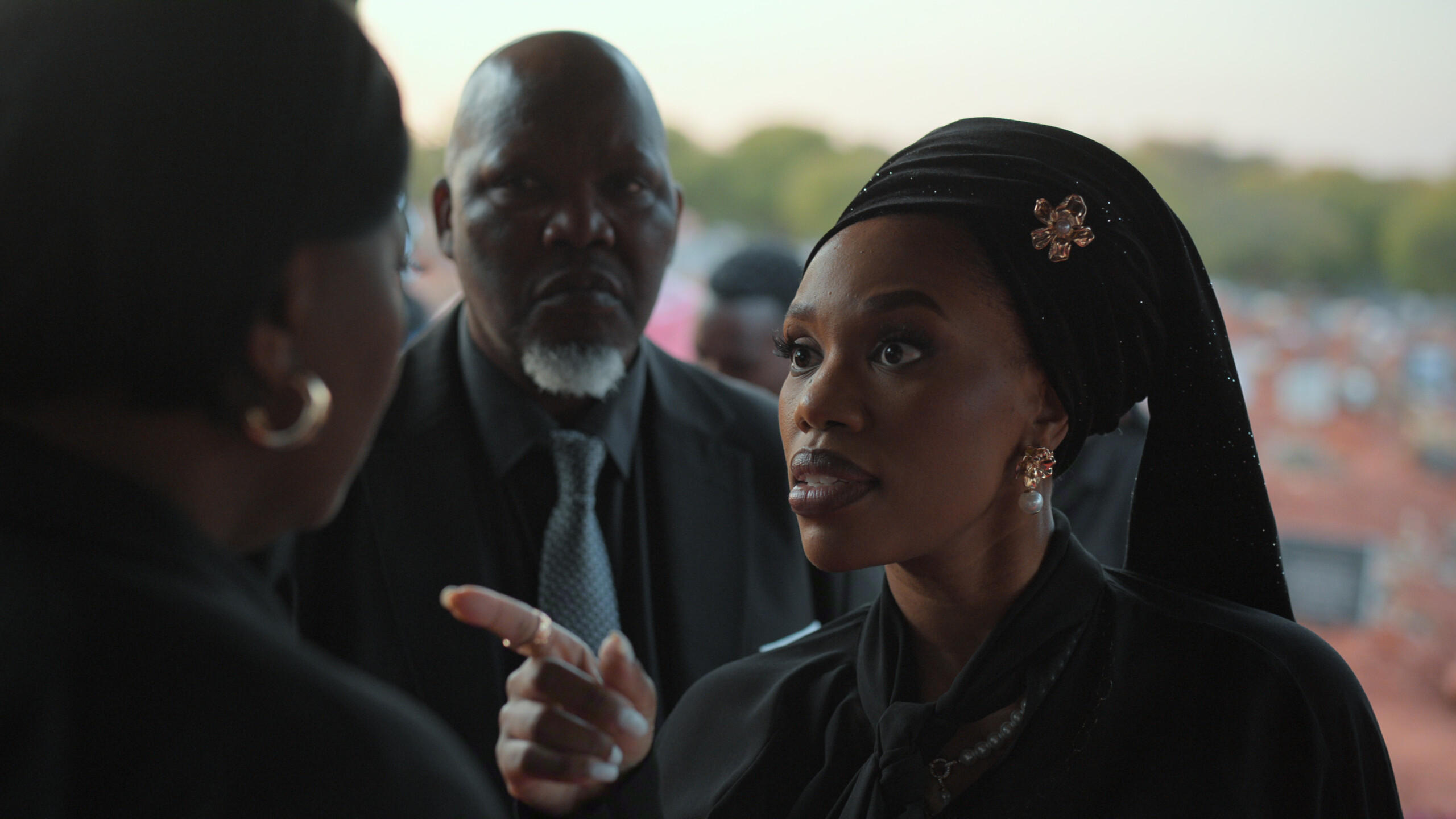
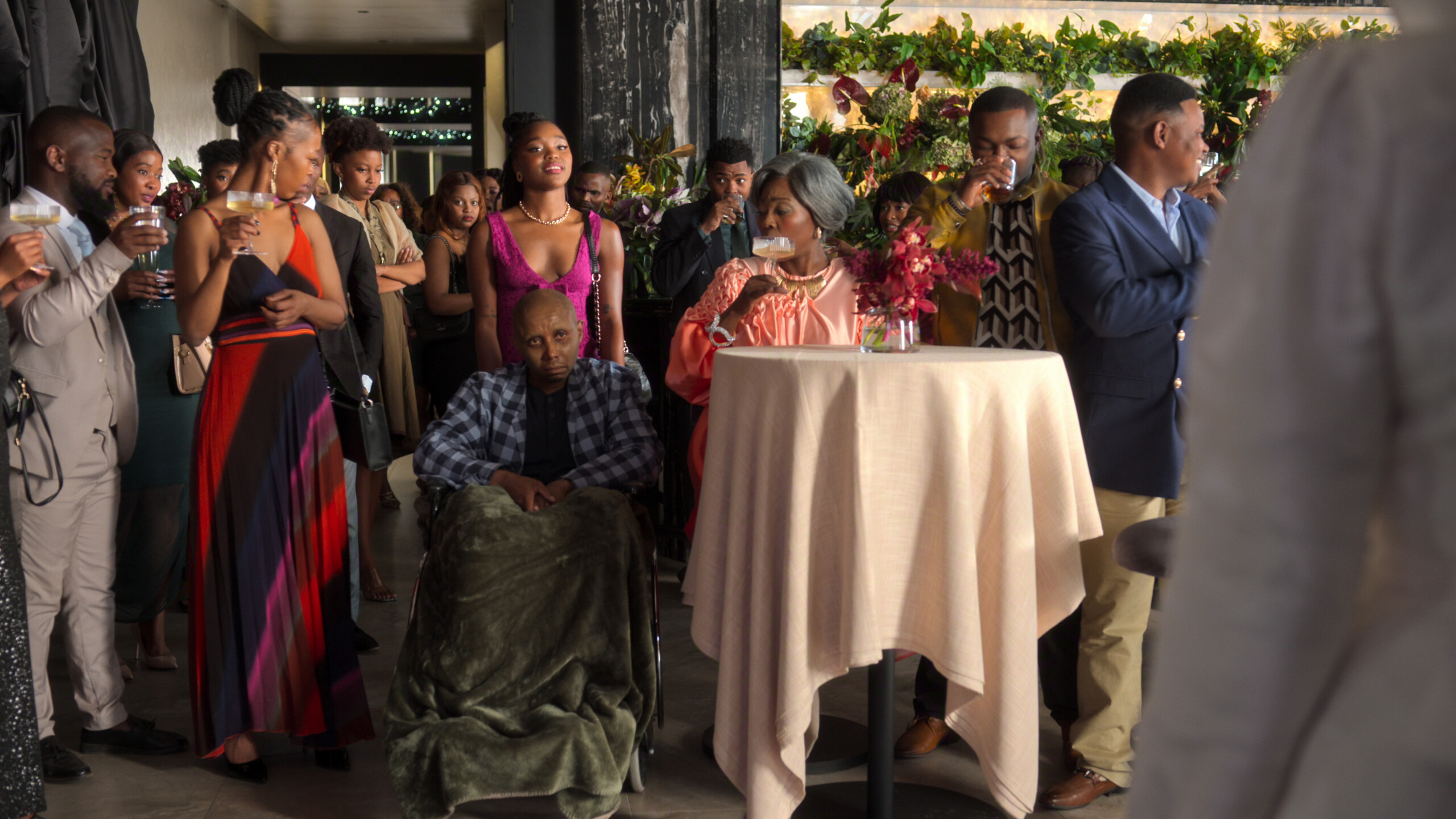

Joyce begged. She clawed. She held on to a man who treated her like an inconvenience. Even when her mother, a typical African mother begged her to leave Jonasi, Joyce stayed because society taught her that a woman’s worth is tied to her ability to endure suffering quietly and stay with her man.
But hell hath no fury like a woman scorned, and Joyce’s fury becomes the spine of the entire story. Her rage is the only honest thing left in that marriage.
There is Matipa; she is what you would call beauty, brains but bad decisions unlimited.
Matipa is the young, voluptuous, dangerously intelligent woman who used what she had to get what she wanted. She schemed her way into Jonasi’s life. A classic “side chick with a strategy.”
If we’re being honest. She wanted the lifestyle, the access, the glamour and deluded herself into believing she truly loved Jonasi and that the feeling was mutual… until she realised the man behind it was not worth the wig glue holding her frontal in place.
(A quck aside because a woman knows these things: Maipa has the best wigs in the series. All others were like mops on the women’s heads, especially Essie’ but I digress)
She trapped him, yes. But she also trapped herself.
Meet Essie, the woman who loved in secret
Essie is the township woman. The one Jonasi visited only when life became inconvenient. The one who sacrificed her life savings to send him to school way before any of the other women knew him. Yet, Essie is the one he never acknowledged publicly. The one who lived for scraps of affection along with Sarah, the daughter they had.
She is the portrait of countless African women who love men who refuse to love them back in daylight.
Watching The Polygamist is like watching patriarchy perform a striptease, bold, and unashamed of its ugliness. You get angry. You get disgusted. But you cannot look away.
Because the story is familiar.
It is the story of women who stay because society tells them staying is noble.
And at the end, the ruin is spectacular.
As we binged The Polygamist, we debated on the characters and some of the scenes that played out: Ah, if these women were Nigerian: Joyce would have been the one thrown out and locks changed; she would have left with all her children in tow.
Matipa would have gotten the money, the house, and possibly the deed to Jonasi’s soul, without risking violence.
Essie would have dragged him to family meetings, elders, pastors, and possibly the police for him to acknowledge their daughter in public and do better by her.
Lindani would have had a driver, a cook, and a house help managing Jonasi when he fell ill while she partied and slept around.
Menzi would have had girls falling, rolling, killing themselves just to be with him that Lindani would be a distant treat.
Nigerian women are not saints, but they are strategic. They do not suffer quietly.
And Jonasi? How can a man of “timbre and calibre” be his own driver? He would never drive himself. He would have a trusted driver who knows that silence is part of the job description.
But that said, why do women stay? This series forces us to confront a painful truth: Patriarchy trains women to endure.
Joyce stayed because society told her leaving is failure and this created a devastating ending for her.
Matipa stayed because she thought proximity to wealth is love.
Essie stayed because she believed sacrifice guarantees loyalty.
Lindani, well, she would have been the one who would have been bested all of them, well, you need to go watch this to determine if she is the winner in this bizarre game that consumed all the characters in this series.
The Polygamist is a story drenched in male violence, sexual exploitation, and misogyny dressed up as sophistication. It is triggering. It is infuriating. It is exhausting; most of all, it is heartbreaking in an unimaginable way.
Photo credits: Netflix