

On a cold afternoon in London, Mo Abudu – described by Forbes as “one of 100 most powerful women in the world” and by The Hollywood Reporter as “one of the most powerful women in film” – unveiled a new cultural landmark: EbonyLife Place, London. The afternoon felt less like an opening and more like a scene from a film about renaissance, reclamation, and the audacity of African creativity.
Hundreds gathered on Thursday 8 October 2026, including the Mayor of London, Sir Sadiq Khan; a lively Lagos contingent; sponsors FidBank UK and Flutterwave; and a constellation of Nollywood stars such as Kate Henshaw and Daniel Etim Effiong.
Inside, EbonyLife Place situated on Wandsworth Road, in the Nine Elms district guests were taken on a tour of the Amani auditorium, a 170‑seat theatre glowing with anticipation; the Afrobeat Restaurant, warm with spice and rhythm; Zuri, a fast‑fashion boutique; the Maji concession stand and bar; and the Fehinti lounge, a quiet pocket of elegance.
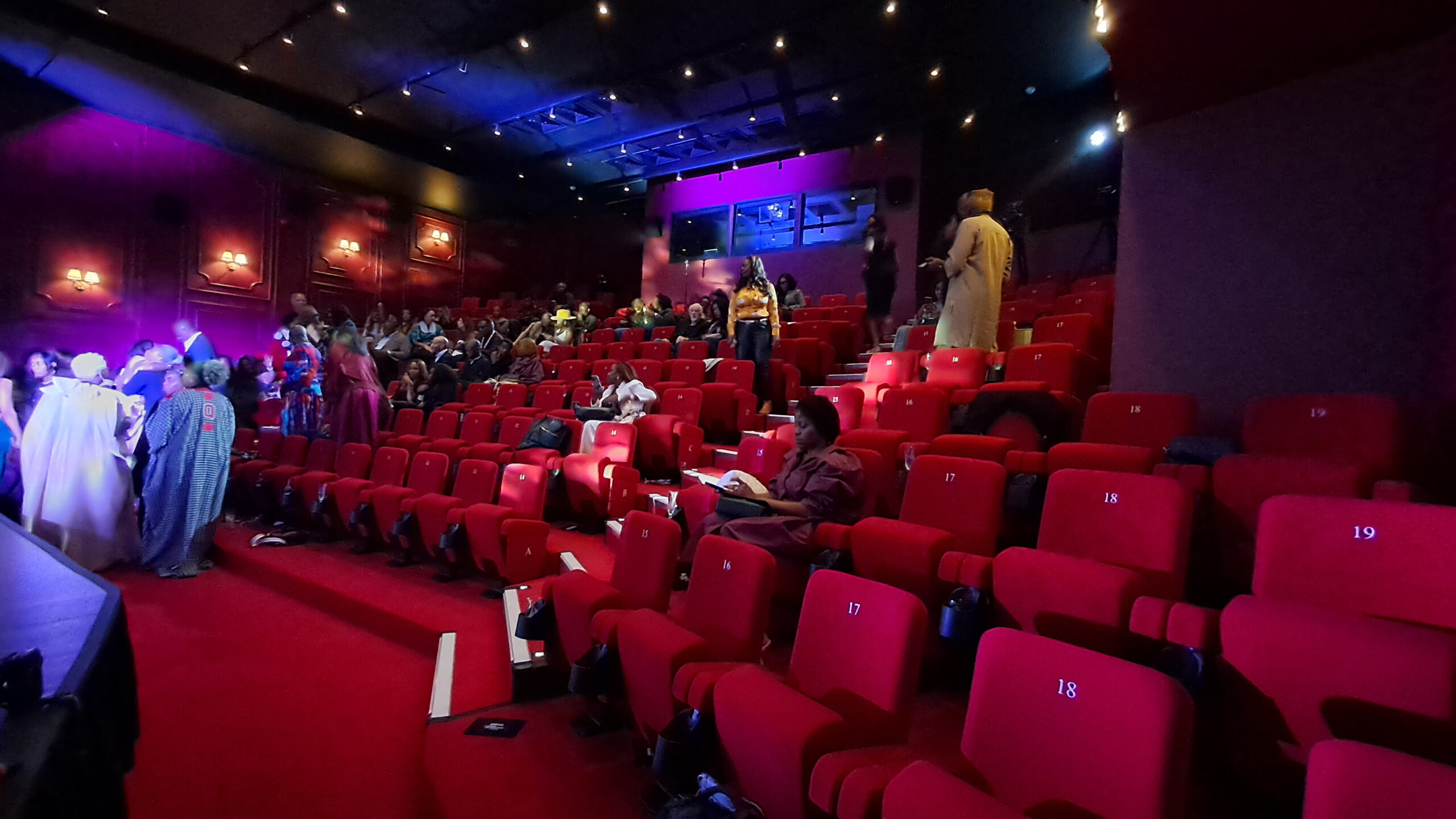 In her welcome address, Abudu traced the journey from discovery to transformation. “This place was called the Lost Theatre but now it’s been found,” she said, laughter rising around her. She described EbonyLife Place as the creation of something wholly new. “It is the first cultural hub of its kind in the UK bringing together black and African film and storytelling.”
She reminded the audience of a predecessor – the Electric Cinema in Notting Hill – once a Black cinema before being absorbed into Soho House. EbonyLife Place, she insisted, may not be the first, but “it is the only one now bringing together art, music, food, film and fashion under one roof because representation is very important in every society.”
She described EbonyLife Place as stretching beyond cinema. “It is about creating an experience, a place where culture can be watched, heard, tasted discovered and celebrated and most importantly one that welcomes everyone.”
And beyond culture, she emphasised opportunity: “we want to create opportunities for young people so we have established EbonyLife CIC in terms of how we can give back to the community. We have done this in Lagos.”
Mo ended her remarks with a vision of growth for EbonyLife Place around the UK. “Mayors of other UK cities, I will be knocking on your doors.”
Sir Sadiq Khan, serenaded with a birthday song, called Abudu “a trailblazer, a powerhouse and an icon in her own rights,” praising her “absolute dedication to championing African culture and African story telling.”
He described EbonyLife Place as “a new home for black and African culture and creativity here in London and… a bridge between two of the world’s leading creative hubs, Lagos and London.”
The night’s creative heartbeat came from the exclusive preview of The Secret Lives of Baba Segi’s Wives, the forthcoming film adapted from Lola Shoneyin’s critically acclaimed novel. Directed by Daniel Oriahi – whose Taxi Driver remains a cult favourite – the film features a magnetic ensemble: Odunlade Adekola, Iyabo Ojo, Omowumi Dada, Bimbo Ademoye, and others. The teaser flickered across the screen like a promise: humour, betrayal, domestic intrigue, and the textured emotional landscapes that made Shoneyin’s novel unforgettable.
EbonyLife Place, London, is more than a venue. It is a declaration that African cinema belongs everywhere; that Black storytelling deserves telling; that culture can be a house with many rooms.
And that afternoon, as guests drifted between film, food, fashion, and conversation, it felt as though a new chapter in African global creativity had quietly, brilliantly begun.