

The 2018 wedding of the Duke and Duchess of Sussex was not Kanneh-Masons’ first time in the spotlight, however, for many people around the world, the occasion, which featured Sheku, the third child in the famed family of seven musician siblings playing the cello for the royal couple, doubled as their introduction to the musically gifted family.
The family’s matriarch, Kadiatu Kanneh-Mason, wrote about this event in her previous book, House of Music: Raising the Kanneh-Masons. Part family biography, part parenting manual, it detailed the financial and emotional investments Kanneh-Mason and her husband, Stuart, made to ensure their prodigiously talented children achieved success in the world of classical music.
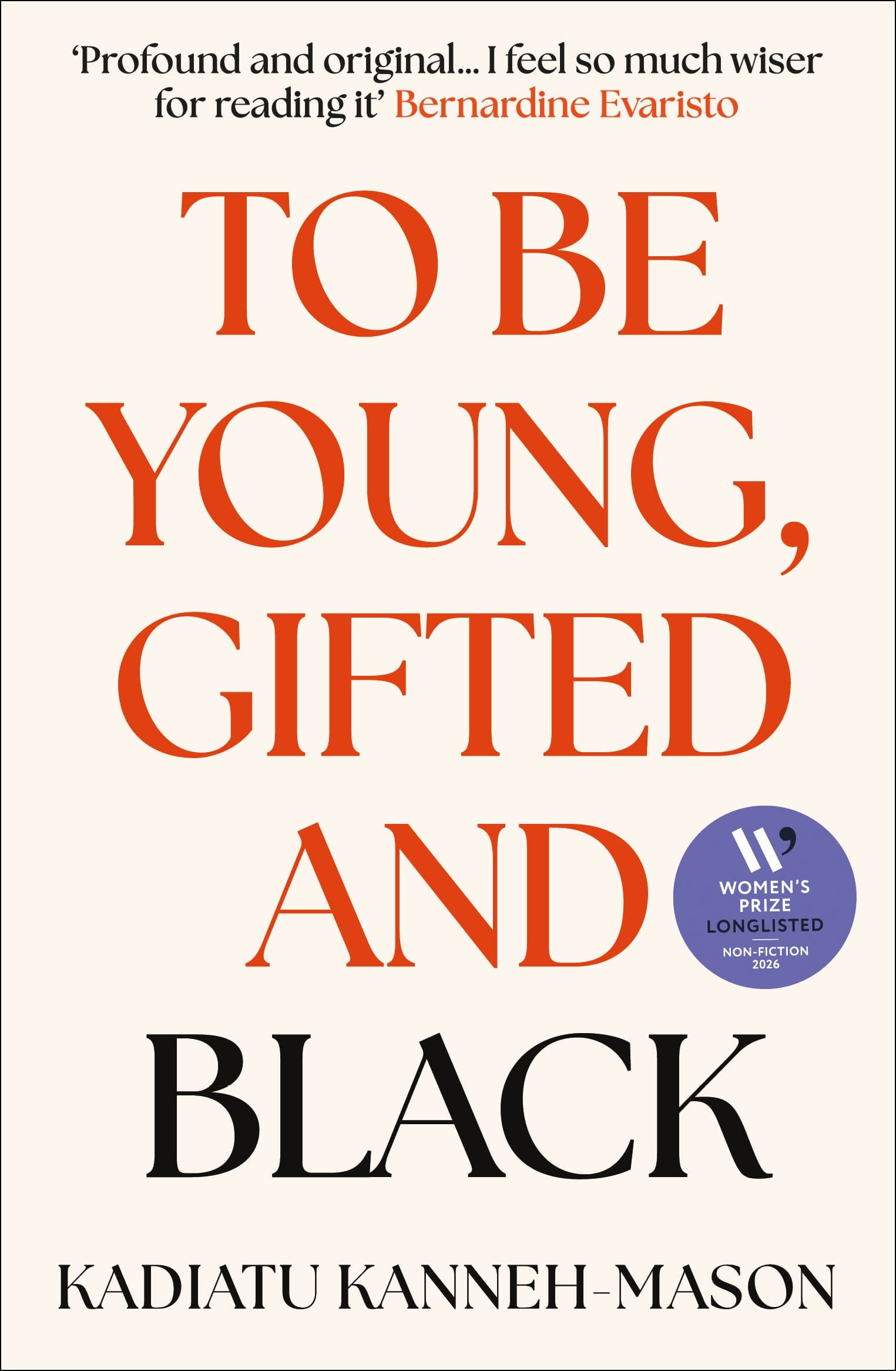
Whereas that book was a straightforward memoir, her latest publication To Be Young, Gifted and Black is more sociological and somewhat political in scope. Blending personal narratives with critical observations and commentary, this text contains traces of the promising academic career in African Studies scholarship that she forfeited in order to be a full-time carer for her family.
It is also a nod to black and gifted ancestors – one in literature, the other in music – who trod the path before her children. Lorraine Hansberry’s autobiographical play To Be Young, Gifted and Black would inspire Nina Simone’s song of the same title which was first performed in 1969, at the Harlem Cultural Festival and subsequently included in her live album Black Gold the next year. The title is, in that sense, a gentle political affirmation of black talent and excellence.
Readers who enjoyed getting to know the family in House of Music will love the personal touches supplied by Kanneh-Mason’s incorporation of her household’s individual opinions on the topics she writes about, as well as the life updates she includes in the book. We learn, for instance, that Konya is now writing children’s books, Aminata is enrolled in drama school, and Mariatu, the youngest, is studying the Japanese language — evidence that their devotion to music has not precluded them from developing other interests and thriving in them.
Now that her children are older and most of them forging independent lives away from home, Kanneh-Mason appears to have redirected her time and attention to cultural advocacy. Treating this book as an avenue for that, she makes an argument for children being encouraged to pursue creativity and self-expression in their childhood. The responsibility for that, she maintains, is not only on parents but the state, and she mourns the decline in government-funded access to quality arts education in the UK.
The widening gap between state schools and private schools who have the better budget allocation also contributes to the presumption that engaging in artistic pursuits is the sole preserve of the pampered class. Relatedly, Kanneh-Mason challenges the framing of arts careers as passions instead of vocations because the former connotes self-indulgence instead of the hard work and professionalism they actually entail. Just because they might be consumed by an audience at leisure does not negate the industriousness artistry requires, and they need to be well compensated. “Artistic work,” she argues, “has not only merit but worth, and artists need more than appreciation and applause in order to live.”
Pointing to the microaggressions and racist abuse her family has been subjected to, as well as the anti-immigrant rhetoric that colours British politics, Kanneh-Mason demonstrates that the cultural debates over Black people’s participation in elite artforms also mirror the perpetual questioning of Black people’s entitlement to British identity.
For Kanneh-Mason who herself migrated to the UK from Sierra Leone as a child and spent her early life classified as a British subject, not a citizen, despite having Welsh ancestry through her mother, the immigration hurdles she faced as a result taught her not to “confuse heritage with inheritance.” She goes on to write that for her, “Britishness is uncomfortably and dangerously disrupted by immigration status, race, and imposed as well as remembered ideas of belonging.” That idea of belonging is further complicated by the legacy of colonialism and the colonial dispossession suffered by both her Sierra Leonean and Welsh ancestors, as well as her husband’s Antiguan ones.
However marginal Kanneh-Mason’s Britishness may be, it is an identity that confers her more than a modicum of privilege elsewhere and it is rather unfortunate that she does not probe this contradiction further. There is no mention, for instance, of the criticism her family has received in Antigua where their status as state-appointed cultural ambassadors is perceived to have come at the expense of local calypso artistes whose musical contributions are more entrenched in Antiguan society.
Regrettable blind spot aside, Kadiatu Kanneh-Mason writes with clarity and her reasoning is compelling. To Be Young, Gifted and Black is a clarion call for a return to a commons-based approach to arts education and as a beacon for Black artists determined to excel, it offers the pragmatic reminder that success is hard-won and requires more than talent to be sustainable.
**Akumbu Uche is a writer and storyteller from Nigeria. Her works have been published by thelagosreview.ng, Aké Review, Brittle Paper, Canthius, The Cincinnati Review, and elsewhere.